
Coaching never scales when it lives in 1:1s.
Managers can shadow maybe 4 calls a week per rep — so most coaching happens after the deal is already lost. Real-time AI Coaching turns the coaching loop from weekly post-mortems into live cues your rep sees while the prospect is still on the line — whether that's a cold call or a closing demo on Zoom.
Built for the way revenue teams actually work.

Whispers the next play, in real time.
When the prospect raises an objection, surfaces a discovery gap, or trips a competitor mention — a card slides in with the talk-track your top reps actually use. On calls and in meetings.

Phone, Zoom, Google Meet, Microsoft Teams.
One coach across every channel, and it is botless. TwinsAI captures the meeting from the rep's own device, so no extra attendee shows up in the participant list, nobody has to admit a bot from the waiting room, and it still works on host-recording-disabled calls.

Competitor cues without the slide deck.
Mention of a competitor auto-loads the battlecard. Pricing question loads the pricing card. Trained on your sales enablement, not generic SaaS templates.

Know when to stop talking.
Live talk-ratio, monologue length, per-speaker sentiment by topic. Goes amber when the rep is talking too much. The signals managers actually use to coach.
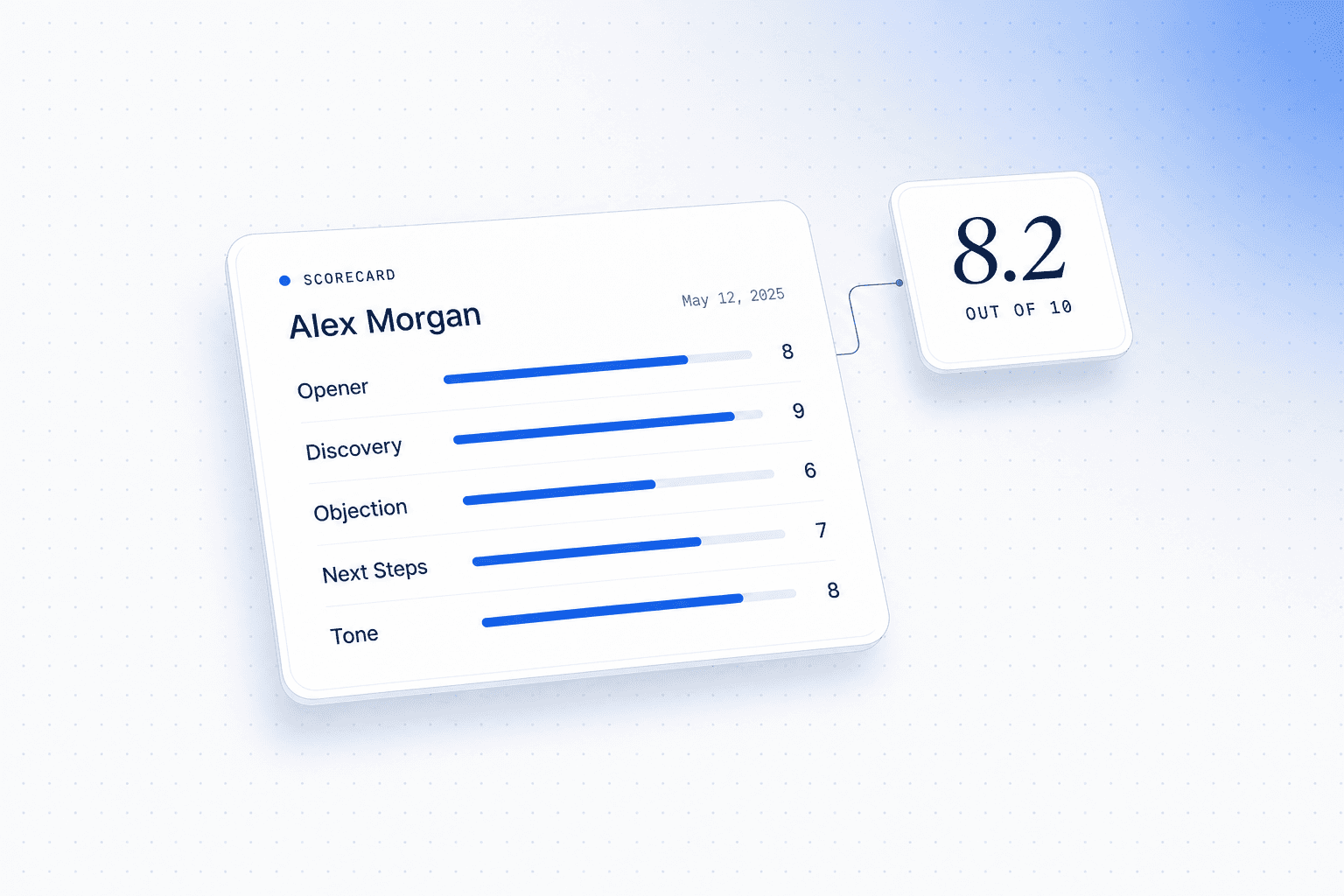
Auto-graded against your playbook.
Every call and meeting gets a 1-page scorecard plus a 12-second recap and a 1-click follow-up email draft — in the rep's inbox before the host leaves.

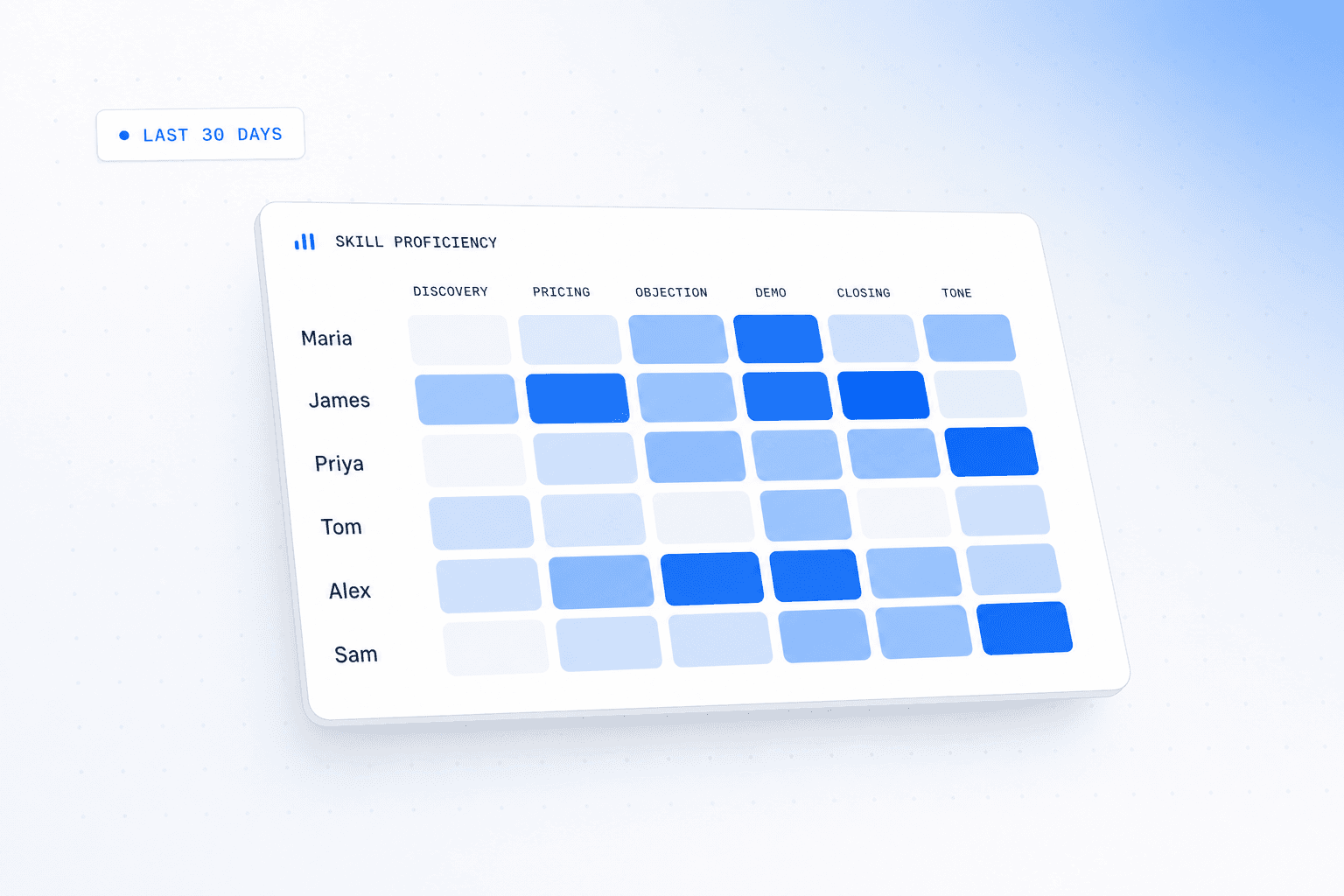
Coach the team, not the call.
Roll-up of skill gaps across the team and aggregated deal signals across every meeting — replacing rep gut-call commits with real talk-pattern signal.
Plugs into the tools your team already uses.
 Zoom
Zoom Google Meet
 Microsoft Teams
 Salesforce
 HubSpot
 GongChorus
 Outreach
 Salesloft
 Slack
Slack NotionZendesk
Common questions.
Does this work on phone calls, video meetings, or both?+
Both. Real-time AI Coaching covers cold calls, live transfers, and inbound, and it captures your Zoom, Google Meet, and Microsoft Teams meetings from the rep's device; no bot or participant joins.
Does the prospect have to install anything?+
No, and nothing joins the meeting either. On the phone side we sit in the rep's softphone; in meetings we capture from the rep's own device rather than adding a participant. The prospect installs nothing and sees no recorder in the attendee list.
Will it slow the call down?+
No. Cues fire at sub-350ms latency and only when confidence crosses your team's threshold. By default, it's quiet.
Is this compliant with two-party-consent jurisdictions?+
Yes. The agent introduces itself when configured, and disclosure language is fully customizable per region. PII (SSNs, card numbers, named PII) is redacted at the edge before transcripts touch storage.
What tools combine AI notetaking and live sales coaching?+
Very few. Most AI notetakers are notes-only: Fireflies, Otter, Granola, Fathom and Avoma record, transcribe and summarise, and Avoma’s "real-time" feature is live transcription rather than coaching. Most real-time coaching tools run the other way round and focus on the dialer or the contact centre, which is where Trellus and Balto sit. Gong genuinely does both, at enterprise pricing. TwinsAI does both in one product, so the live cues and the notes come from the same conversation.
Which AI call assistant helps managers coach reps in real time?+
TwinsAI coaches the rep while the call is still live rather than reviewing it afterwards, so a manager does not have to be on the call for the rep to get help. Managers get the roll-up: skill gaps across the team, talk-ratio and sentiment patterns, and a scorecard per call, instead of shadowing four calls a week per rep.
How do sales leaders choose AI tools for call scoring?+
The questions that decide it are usually: can the tool score against our methodology rather than a generic template, can a manager see why a call scored the way it did and override it, what share of calls actually get scored, and does the scoring change rep behaviour or just report on it. TwinsAI grades every call and meeting against your playbook, returns a one-page scorecard, and rolls the gaps up by rep and by team. Because the coaching is live, the rep was already being helped during the call the score describes.
Which AI meeting assistant works without bots joining the call?+
TwinsAI is botless on both the notes and the coaching side. It captures from the rep’s device, so nothing appears in the participant list. Granola is also botless and Fathom has shipped bot-free capture in beta on Mac; Fireflies, Otter and Read.ai join the meeting as a participant.
How is this different from Gong or Chorus?+
Gong and Chorus are post-call. Real-time AI Coaching is during the call — it surfaces cues live and writes follow-ups before the call ends. We integrate with Gong/Chorus rather than replace them.
Put your best rep on every call and meeting.
We'll spin up real-time coaching trained on your last 50 calls and demos before the demo ends.