
The fastest dialer wins. Everyone else loses the prospect at hello.
Industry connect rates sit at 3–5%, and most of those pickups die in the bridge — a one-, two-, three-second silence while a power dialer fumbles the transfer and the prospect hangs up. TwinsAI was rebuilt around that single moment: detect the human in milliseconds, brief the rep instantly, and put them on the line before the prospect's thumb finds the red button. No virtual sales floor. No performance theater. Just connects that close.
Built for the way revenue teams actually work.
Under-450ms hand-off. They don't hear the seam.
When a human answers, TwinsAI bridges to your rep in under 450 milliseconds, well inside the ~700ms point where prospects start hanging up. No 'hello? hello?' dead air. The prospect picks up and your rep is already talking, briefed, on-message.

Dial up to 8 lines at once.
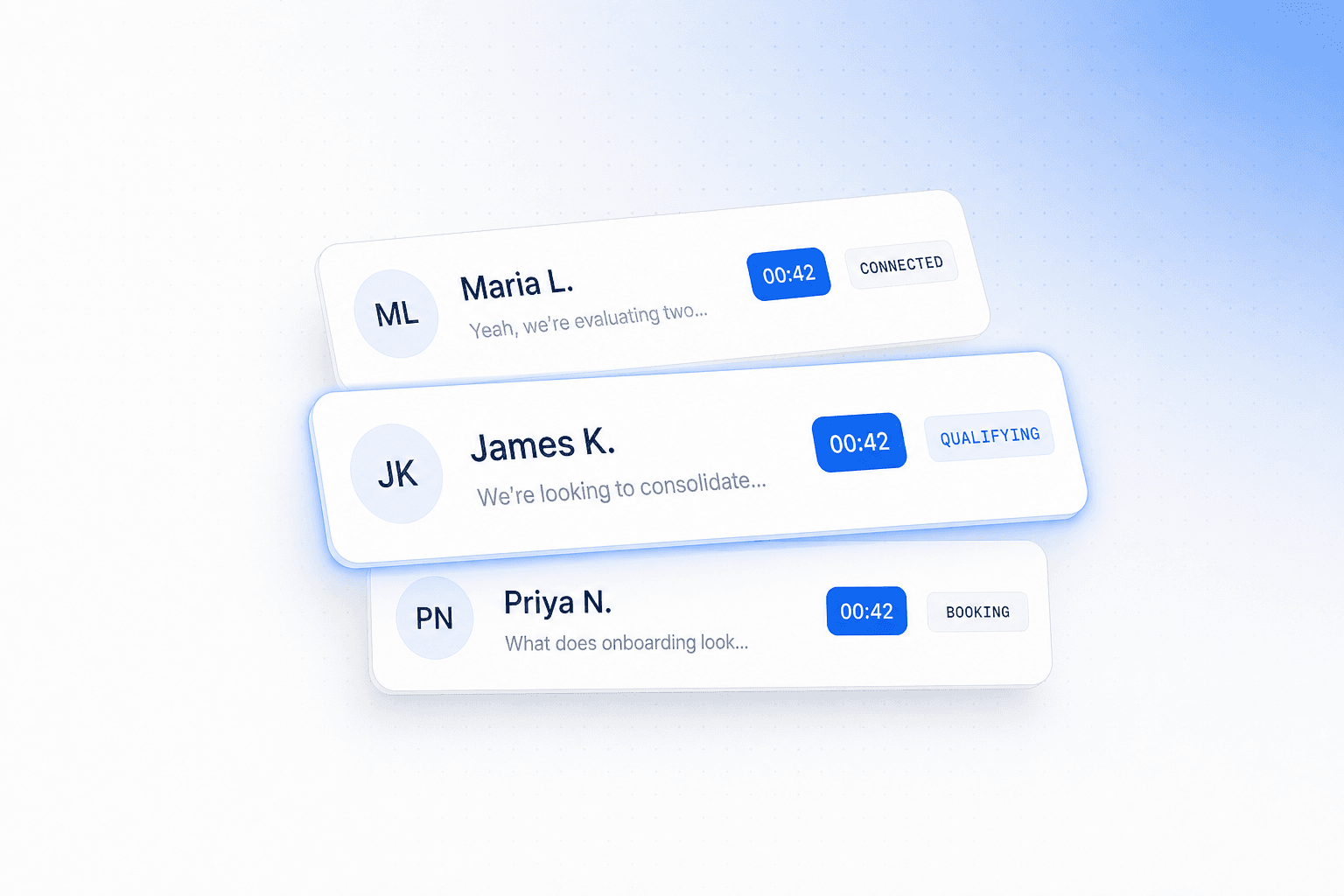
TwinsAI rings multiple numbers simultaneously, drops the rest the moment a human says hello, and serves the connect to your rep with the prospect's account brief already on screen.
Every pickup comes pre-briefed.
The second a human answers, TwinsAI surfaces a 5-line account brief, the prospect's last touchpoint, and a dynamic talk track tuned to their objection patterns. Real-time prompts during the call. Auto-updated battlecards after it.
Your numbers stay clean.
Automatic carrier registration, dynamic SHAKEN/STIR-attested local presence, spam-likely monitoring, and rotation before reputation degrades. Connect rates we see lift 20–40% versus a static caller ID.
Sequential dialing on autopilot.
Single-line cadence with auto-dispositions, voicemail drop, and an answering-machine detector tuned for North America and EMEA carriers. For AEs working a shortlist, not a list.
Auto-logged, auto-disposed.
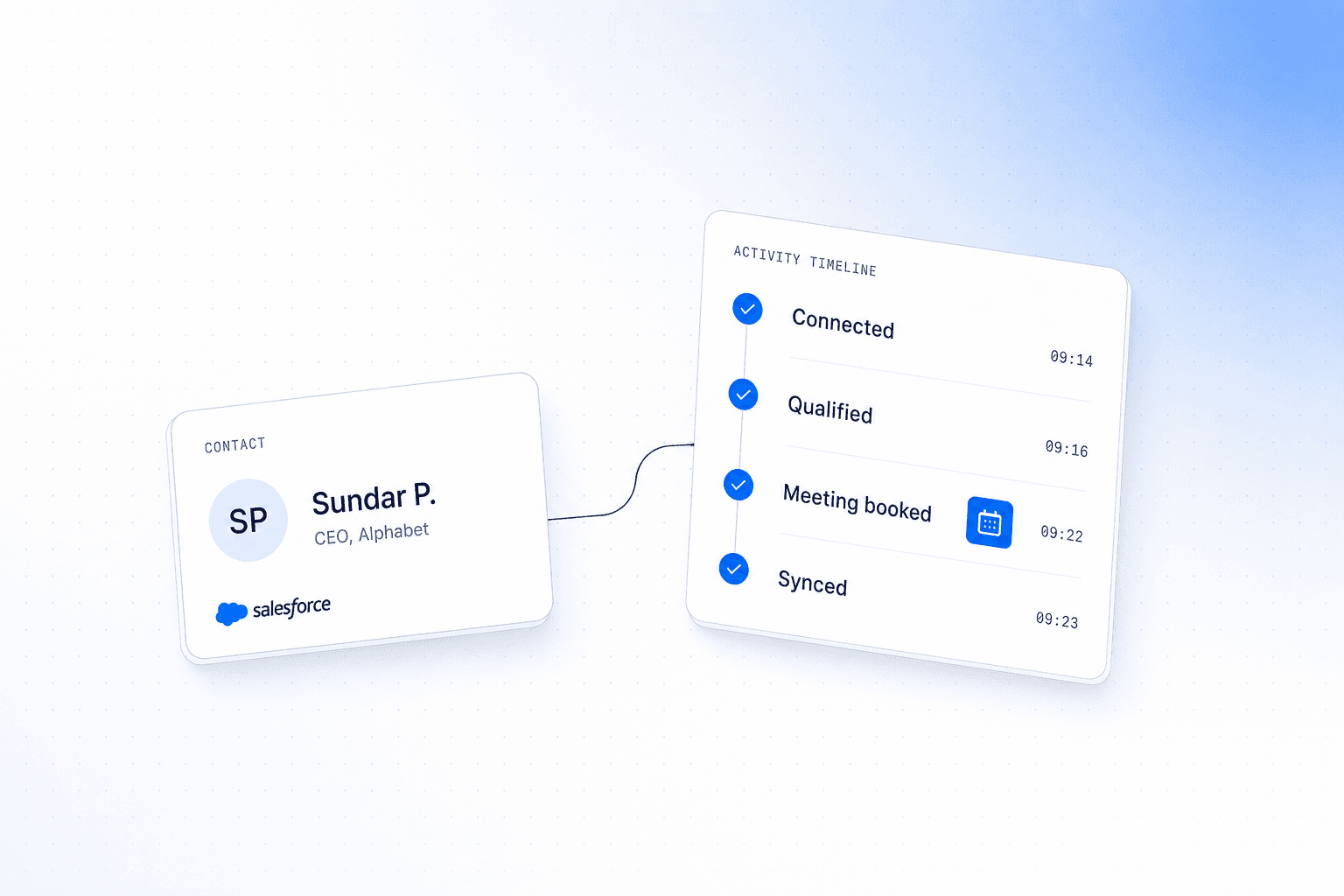
Every dial, every disposition, every transcript writes back to Salesforce, HubSpot, Outreach, or Salesloft in real time. No copy-paste tax. No end-of-day cleanup ritual.
Call the prospects most likely to pick up.
TwinsAI scores your list on persona, intent signals, last-touch recency, and time-of-day pickup probability — so the next number in the queue is the one most likely to convert, not the next row in the CSV.
TCPA, DNC, and consent-aware.
Built-in DNC scrubbing, time-zone fences, per-jurisdiction abandonment caps, attempt limits, and consent flags. Every call is logged and audit-ready. GDPR-aligned.
Plugs into the tools your team already uses.
 Salesforce
 HubSpot
 Outreach
 Salesloft
 ApolloZoomInfoCognismLeadIQClay
 GongTwilioRingCentralFive9AircallZoom Phone
Common questions.
How is this different from Nooks, Orum, or Aircall AI?+
Two things. First, the bridge: we measure transfer latency in milliseconds, not 'instant.' An under-450ms hand-off means the prospect never hears the awkward pause that kills 1 in 4 connects on legacy dialers. Second, we don't sell a virtual sales floor. Modern AI dialers shouldn't need their reps performing for each other on a Zoom grid. They need an AI that briefs the rep, surfaces the right talk track, and gets out of the way. We chose the latter.
How fast is 'under 450ms' in practice?+
From the moment our answering-machine detector confirms a human voice to the moment your rep is patched in: under 450 milliseconds end-to-end. For reference, the average reaction time of a human ear noticing dead air is around 500ms. The prospect doesn't experience a transfer. They experience a conversation.
Does this work with our existing phone system?+
Yes. TwinsAI rides on top of Twilio, RingCentral, Five9, Genesys, or any SIP trunk. Setup takes about 10 minutes and you keep your existing numbers.
How is parallel dialing different from a power dialer?+
A power dialer rings one number at a time and waits. Parallel dialing rings up to 8 simultaneously and only connects your rep when a human answers, so reps get more live conversations per hour than industry-standard single-line dialing.
Is parallel dialing legal?+
Yes, when configured correctly. We enforce per-jurisdiction abandonment-rate caps, TCPA windows, and DNC scrubbing on every dial. Compliance is on by default and audit logs are exportable.
Can I A/B test scripts and openers?+
Yes — every dial group can carry its own opener, talk track, and disposition path. Results roll up to a single dashboard so you can see which opener actually books meetings, not just which one your reps prefer.
Go deeper on cold calling.
Other dialers ring numbers. We connect humans.
Under-450ms bridge. More live conversations than single-line dialing. Zero virtual sales floor required. See the call that closes before the prospect realizes they were ever on hold.